The elk rut is the breeding season, and in most western states it peaks in mid to late September. Bulls bugle, gather cows and fight rivals, which is why so many archery seasons are timed to overlap it. Exact timing shifts with elevation, latitude and weather, so the same mountain can be hot one week and quiet the next.

The three phases of the rut
Pre-rut: late August to early September
Bulls shed the velvet from their antlers, start rubbing trees and roll in wallows. Bugling picks up but is often scattered, and bulls may answer a call without committing to it.
Peak rut: mid to late September
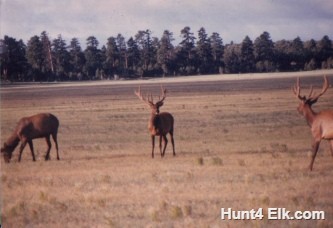
Herd bulls hold groups of cows and bugle hard, morning and evening. In dry country, a big bull with his herd will often visit water at the peak of the rut, bugling and grunting along the way. Calling is at its most effective, but the wind still decides most encounters.
Post-rut: October and later
Bugling tapers off and tired bulls go quiet, feeding and resting in thick cover. Many rifle seasons open in this window. Soft cow calling and hunting near food and water become the main tactics, and standard calling is less likely to pull in a bull after late September.
When elk bugle during the day
A study of the restored elk herd in eastern Tennessee, using recorders in the field, found overall peak bugling from September 23 to October 10, with the most bugling between 7:00 and 9:00 in the morning and 6:00 and 8:00 in the evening. Western herds usually run a little earlier, but the morning and evening pattern holds across elk country.
Matching the season to the rut
- Archery: many western archery seasons run through September, and some run to mid-October, covering the pre-rut and peak.
- Muzzleloader: some states place muzzleloader seasons in or near the peak of the rut.
- Rifle: many rifle seasons open in October, after the peak, when elk are quieter and often found by glassing and still-hunting.
Season dates are set by each state. See Elk Hunting States and Tags for how tags are issued, and Elk Calls and Calling for the sounds to use in each phase.
Season dates change from year to year and state to state. Always check the current regulations.