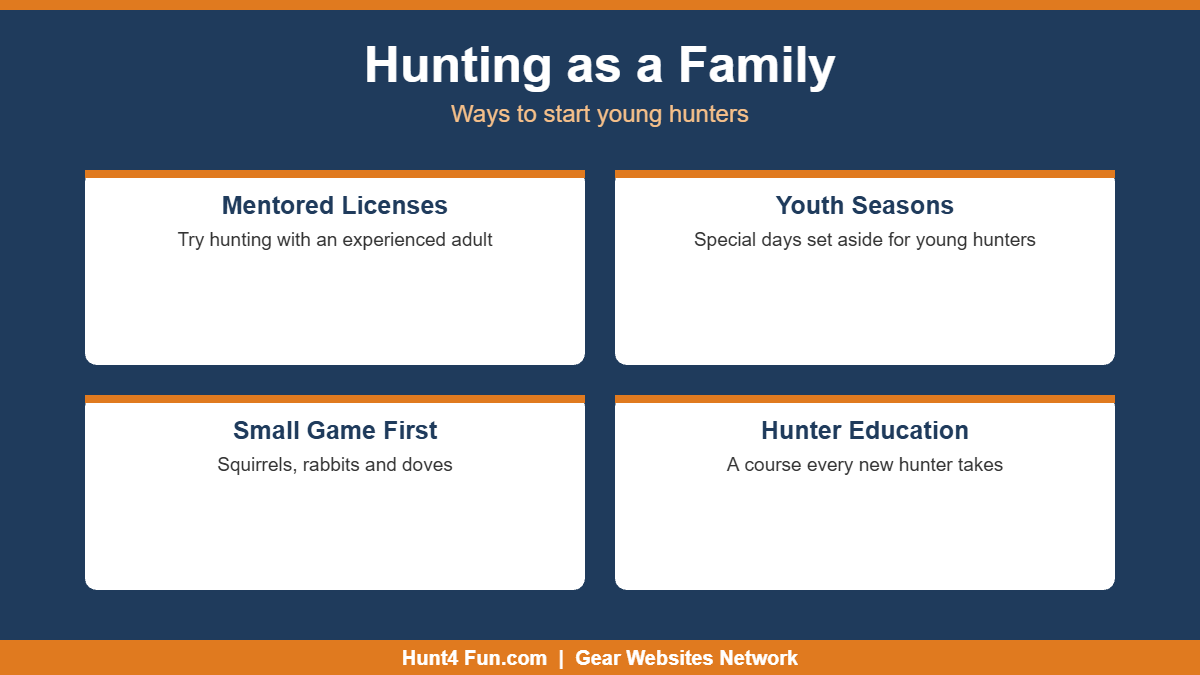
Most hunters started young, tagging along with a parent, grandparent or family friend. States have made it easier than ever to bring new hunters into the field safely.
Mentored and apprentice licenses
Many states offer mentored or apprentice hunting licenses. They let a new hunter try hunting under the direct supervision of an experienced, licensed adult before completing hunter education. It is a low-pressure way to find out whether hunting is a good fit.
Youth seasons
Many states set aside youth-only deer, turkey and small game days, often just before the regular season. Federal rules also allow states to hold youth waterfowl hunting days. With less pressure in the field, young hunters get a better chance at success and more time with their mentors.
Start with small game
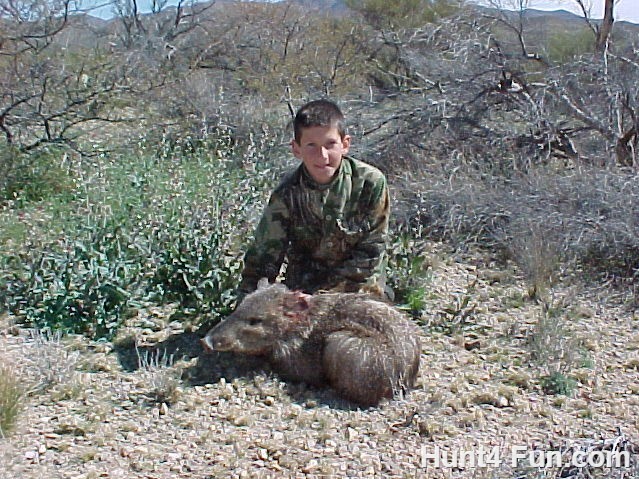
Squirrels, rabbits and doves make excellent first hunts. Seasons are long, limits are generous and there is plenty of action to keep young hunters interested. Hunt4 Squirrel.com, Hunt4 Rabbit.com and Hunt4 Dove.com cover each in depth.
Hunter education
Hunter education courses teach safety, ethics, wildlife conservation and the law. Every state offers them, often online with a field day, and many states require them for new hunters of any age.
Keep it fun
- Keep hunts short and comfortable for young hunters
- Pack plenty of snacks, water and warm clothes
- Let kids carry binoculars and help spot game
- Celebrate the experience, not just the harvest
- Involve them in cleaning and cooking the game
Hunting together
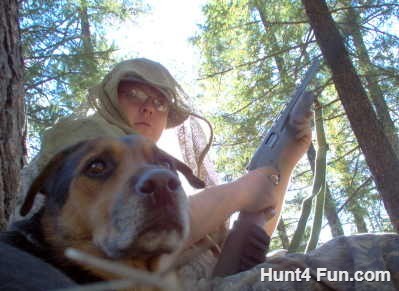
Families that hunt together share more than a hobby. Hours in a blind or on a ridge create time to talk, teach and enjoy the outdoors without screens. Those days often become the memories kids carry for life.
Safety for young hunters
Young hunters learn by watching. Adults who model safe muzzle control, careful target identification and patience pass those habits on. Keep groups small, stay within arm’s reach of new young hunters and practice safe handling at home and at the range before the season.
Beyond the hunt
Scouting walks, shed antler hunts, wildlife watching and target practice all build skills and keep kids interested year round.
Celebrate the milestones
A first hunter education card, a first squirrel or a first turkey deserves a photo and a family dinner. Small celebrations build lifelong hunters.