A first hunt can feel complicated, but it follows a simple order. Each step builds on the one before it.
Take hunter education
Most states require hunter education for new hunters. The course covers safety, ethics and the law, and the certificate is honored in every state.
Pick an easy first species
Small game, doves and turkeys are popular first hunts. Big game such as deer is a great goal, but many new hunters enjoy starting with a season that offers more action and simpler logistics.
Buy the license and tags
Every state sells a base hunting license, plus tags, stamps or permits for specific game. Some big game tags are issued by draw, with deadlines months before the season. Buy licenses from the state wildlife agency or its authorized agents.

Learn the regulations
Read the current regulations for the species and area. They cover season dates, legal hours, bag limits, legal methods, blaze orange rules and where hunting is allowed. Regulations change every year.
Practice and pack
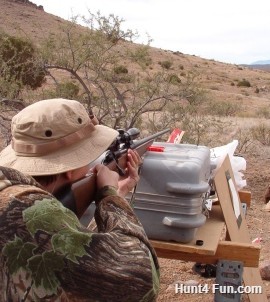
Practice well before the season until shots are consistent and confident. Pack weather-appropriate clothing, water, food, a knife, a light and a first aid kit.
Go with a mentor
An experienced hunter can teach more in one morning than a season of trial and error. Hunting clubs, conservation groups and state mentor programs connect new hunters with mentors.
Scout before the season
Visit the area before opening day. Learn the roads, trails and boundaries, look for tracks and droppings, and pick a few spots to start. Public land maps and apps help locate access.
After the hunt
Know how to tag, field dress and cool the game before the hunt starts. Field care makes all the difference at the table.
Set the right expectations
Many first hunts end without game, and that is normal. Watching animals, learning the land and spending a morning in the field are real successes. Most hunters say they remember their first unsuccessful hunts nearly as fondly as their first success.
Keep a hunting journal
Writing down where, when and what was seen builds knowledge fast. Weather, wind, animal sightings and sign all help plan the next hunt.
Bring the right attitude
Patience, respect for the land and a willingness to learn matter more than expensive gear. Ask questions, listen to experienced hunters and enjoy the process.